Erling Haaland Sparks AI Meme Frenzy During 2026 World Cup Global Cup
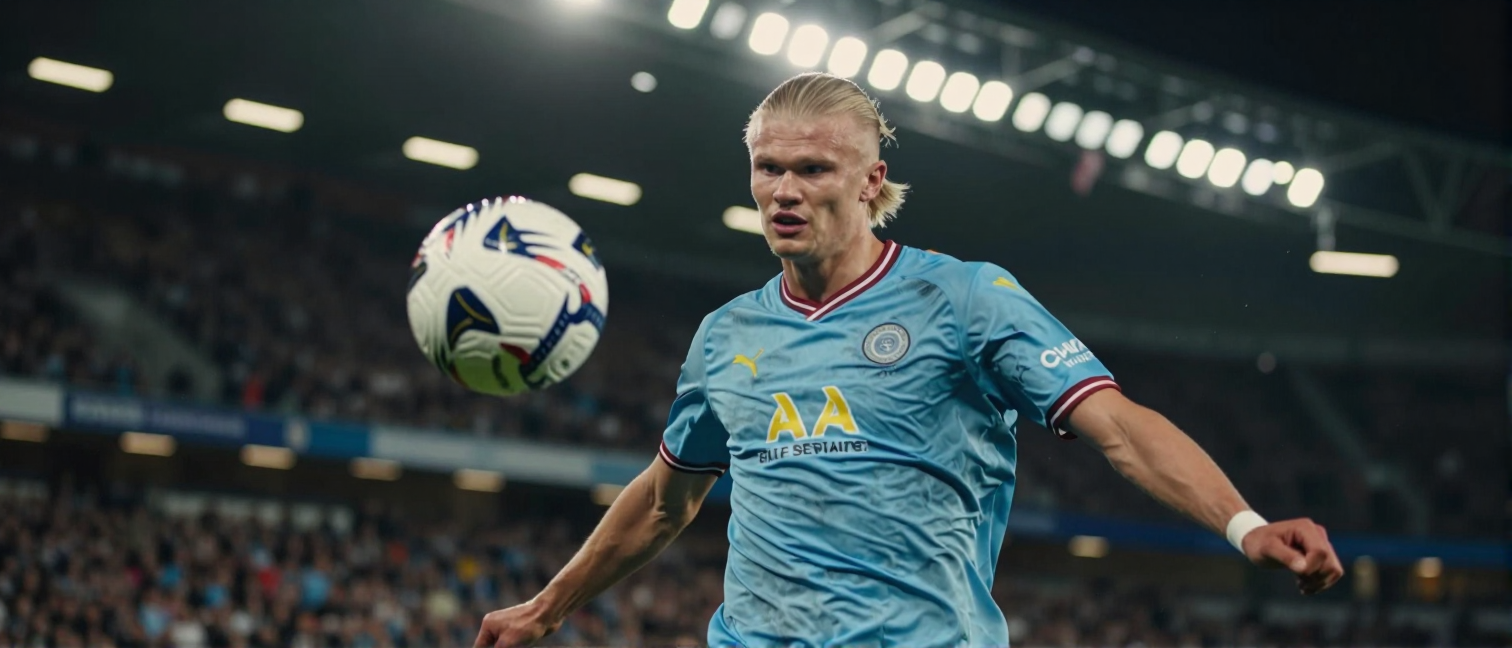
Erling Haaland sparked a worldwide AI meme frenzy on 15 Jun 2026 when a fabricated video of him flinching at his own reflection went viral, racking up over 31 million views on X within days.
The clip shows a man resembling Haaland mid‑mouthful in a restaurant, glancing left before reacting to a mirror image. It was later traced to a slapstick skit by Chinese comedian Jin Long, originally posted to TikTok on 12 Jun 2026. Fact‑checkers quickly debunked it, but the share count kept climbing as users mistook it for genuine footage of the striker.
Haaland’s image has already morphed into a meme engine in China, where he fronts a herbal‑drink commercial, attempts Mandarin on live streams, and is affectionately nicknamed *Habao* (“Ha Baby”). The deep‑fake added another layer, turning his on‑field dominance into a character that fans can remix at will. This shift means his brand value now hinges as much on internet lore as on goals scored for Manchester City.
A report from AI sports‑content firm WSC Sports found that Gen Z feels a stronger bond to individual athletes than to teams, and Oliver Wyman’s survey named athlete‑driven social media as the top driver of youth engagement. When fans can generate “fanon” content-stories and jokes that fill gaps left by official narratives-AI tools become the shortcut. Haaland’s deep‑fake thrived because it matched the quirky persona fans have already built around him.
Following the viral clip, Haaland opened official Douyin and Weibo accounts, instantly pulling in millions of followers. The platforms now serve as testing grounds for AI‑enhanced content, from AI‑generated songs to synthetic interviews. As clubs and sponsors watch, they may lean into these digital extensions, treating the player as a cross‑media character rather than just a forward.
The incident mirrors earlier deep‑fake trends, such as the @deeptomcruise TikTok account that flooded feeds with Tom Cruise look‑alikes in 2021. Sports fans are no longer passive viewers; they co‑create the narrative. When a fabricated Haaland moment spreads faster than a real match highlight, it signals a new era where the line between athlete and meme blurs.
Clubs already invest in AI to produce highlight reels and personalized fan clips. Haaland’s case shows the technology can also generate entirely fictional moments that still boost engagement. If sponsors tap this momentum, we could see a surge of AI‑crafted campaigns that ride on a player’s meme status, turning viral jokes into revenue streams.
And the story isn’t over. As the 2026 World Cup progresses, more AI‑fueled fan content is expected to surface, each iteration testing how far a footballer’s digital double can travel before fans demand the real thing again.