 English
 Espanol
 Deutsch
 Francais
 Portugues
 Italiano
George Best's Legacy Haunted by Brain Condition Linked to Soccer Heading
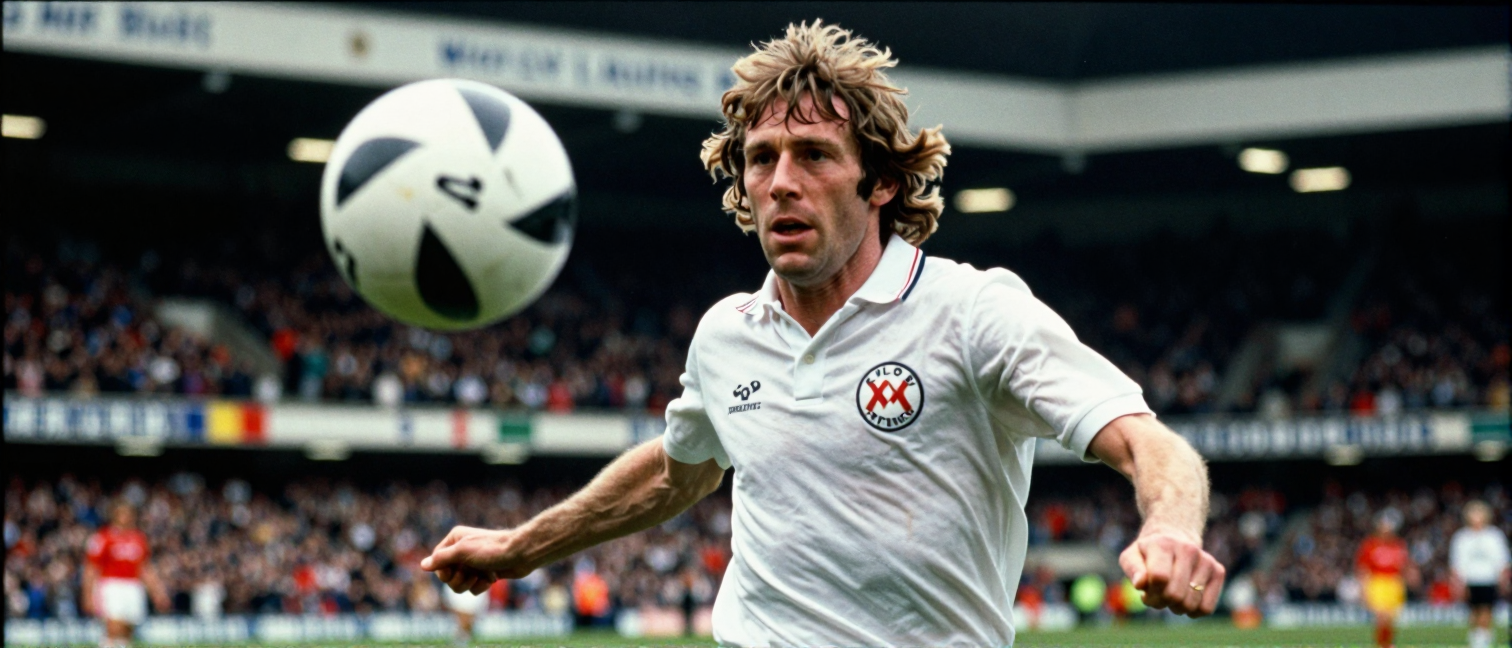
George Best's Legacy Haunted by Brain Condition Linked to Soccer Heading
A coroner's ruling has revealed that a brain condition caused by repeatedly heading a soccer ball contributed to the death of England World Cup winner Norbert 'Nobby' Stiles, a former Manchester United star and rival of George Best.
What happened?
Norbert 'Nobby' Stiles, a former Manchester United star and member of the 1966 World Cup-winning team, died from a brain condition caused by the sport, a coroner has found. Stiles, 78, had headed a soccer ball around 140,000 times during his career, Stockport Coroner's Court in the UK heard at the inquest into his death.
Why it matters for George Best
The coroner's ruling highlights the long-term effects of heading a soccer ball, a practice that George Best and many other footballers of his era were subjected to. While George Best's own career was marked by his incredible skill on the pitch, his off-field struggles with addiction and personal demons have become well-documented. The news of Stiles' death serves as a poignant reminder of the risks that footballers took on in pursuit of glory.
What comes next?
The coroner's ruling has sparked renewed calls for soccer authorities to do more to help ex-players cope with injuries they claim were caused during their playing days. Dr. Daniel Du Plessis, a neuropathology expert, told the court that he was "quite convinced" that Stiles' heading of the football had caused his chronic traumatic encephalopathy (CTE). CTE can only be properly diagnosed posthumously during an autopsy of the brain.
The late footballer died in 2020, and experts have since analyzed his brain. The coroner's ruling has revealed that Stiles' brain showed his severe dementia was as a result of Alzheimer's disease but also the rare condition, chronic traumatic encephalopathy (CTE), which has been associated with head trauma from heading a ball. Advert Per Mayo Clinic, CTE 'causes the death of nerve cells in the brain, known as degeneration'. The condition worsens over time.
Stiles' son John has previously said that soccer had 'killed' his father. The soccer star's family first noticed that he began forgetting things and repeating himself when he was in his late 50s. Stiles' son told the hearing: "My dad was very humble, he just happened to have achieved quite a lot. "It never really changed him. If you went into his house you would never know he was a footballer. "He was very much a family man, football was left at the door. The family was always the first priority."
The coroner's ruling has sparked renewed calls for soccer authorities to do more to help ex-players cope with injuries they claim were caused during their playing days. The news of Stiles' death serves as a poignant reminder of the risks that footballers took on in pursuit of glory.
category: player_focus