Iker Casillas Urges New Clock Format After 2026 World Cup Breaks
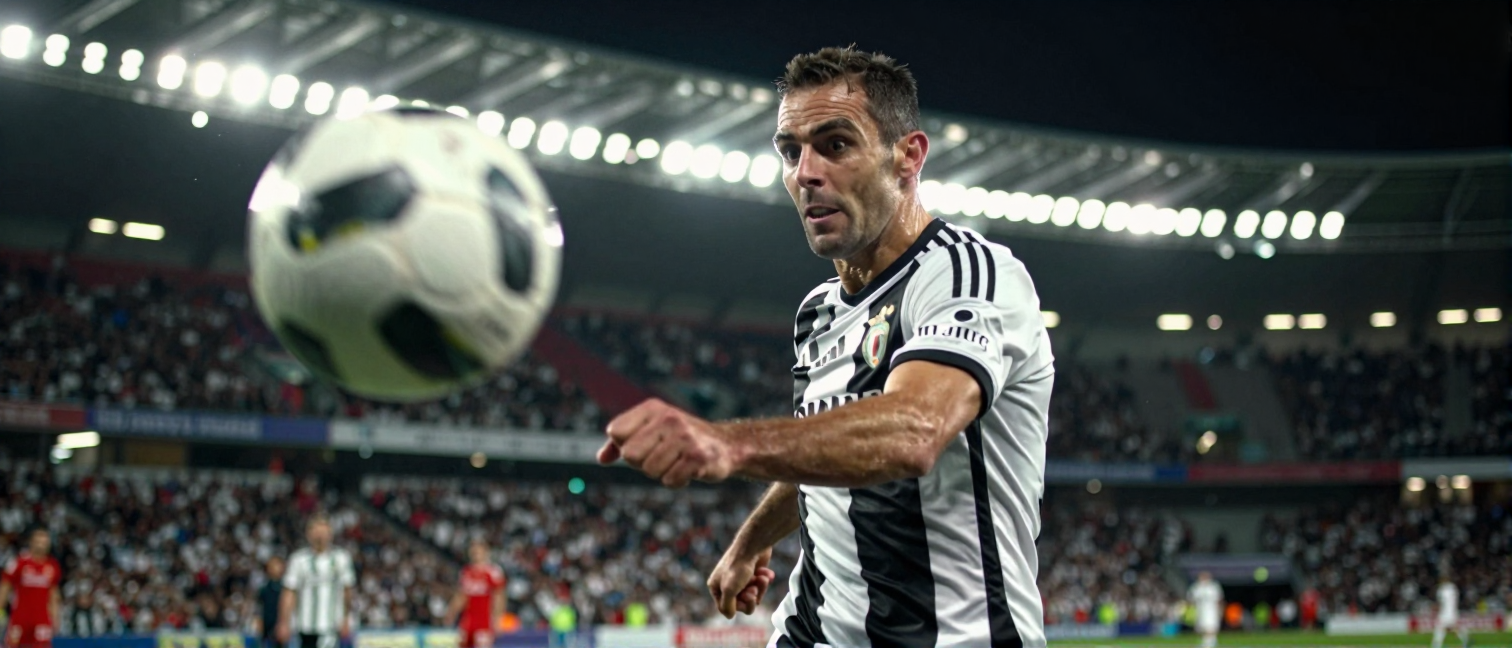
**Iker Casillas** has publicly urged FIFA to adopt a new match‑clock system following the cooling‑break experiment at the 2026 World Cup, saying the current approach disrupts rhythm and endangers players.
Casillas suggested that, instead of stopping the clock for a cooling pause, the match timer should continue to run while a separate “heat‑stop” timer tracks the break. He believes this would preserve the 90‑minute total playing time and avoid the artificial extension that currently occurs when the clock restarts after a pause.
The cooling breaks introduced in the 2026 tournament were meant to shield athletes from extreme heat, especially in venues like Miami and Dallas where temperatures topped 35 °C. While the intention was noble, Casillas noted that teams often lose tactical momentum, and fans see an uneven match length. By keeping the official clock ticking, the sport retains its traditional timing while still granting a short, measured respite for players.
If FIFA adopts Casillas’s hybrid clock, future World Cups and continental competitions might see a smoother flow of play. Broadcasters would benefit from a predictable schedule, and coaches could plan substitutions without fearing an unexpected extra minute. The idea also aligns with recent technology trials that use wearable sensors to monitor player core temperature in real time.
Former teammates such as Sergio Ramos and current coaches like Luis Enrique have expressed curiosity about the concept, though they stress the need for rigorous testing. Sports‑science experts warn that any new system must be backed by data showing it truly reduces heat‑related injuries.
FIFA has scheduled a technical committee meeting in September 2026 to review feedback from the cooling‑break trial. Casillas said he will attend and present his proposal, hoping the governing body will act before the next major tournament cycle begins.
Research from the International Journal of Sports Medicine, published earlier this year, linked uninterrupted play time with lower incidence of heat exhaustion when proper cooling protocols are in place. Casillas’s suggestion could marry that research with the sport’s historic timing tradition, offering a balanced solution.
Social media buzz shows a split: many fans applaud the idea of preserving the classic 90‑minute structure, while others worry any change might complicate the viewing experience. Polls on major football forums indicate roughly 55 % support for a hybrid clock, 30 % oppose, and 15 % undecided.
Casillas’s push reflects a broader conversation about modernising football without losing its essence. Whether FIFA will adopt his hybrid clock remains to be seen, but the debate has already sparked a wave of analysis across the sport’s technical circles.