Kawhi Leonard Returns, Sparks Raptors’ 2026‑27 Questions
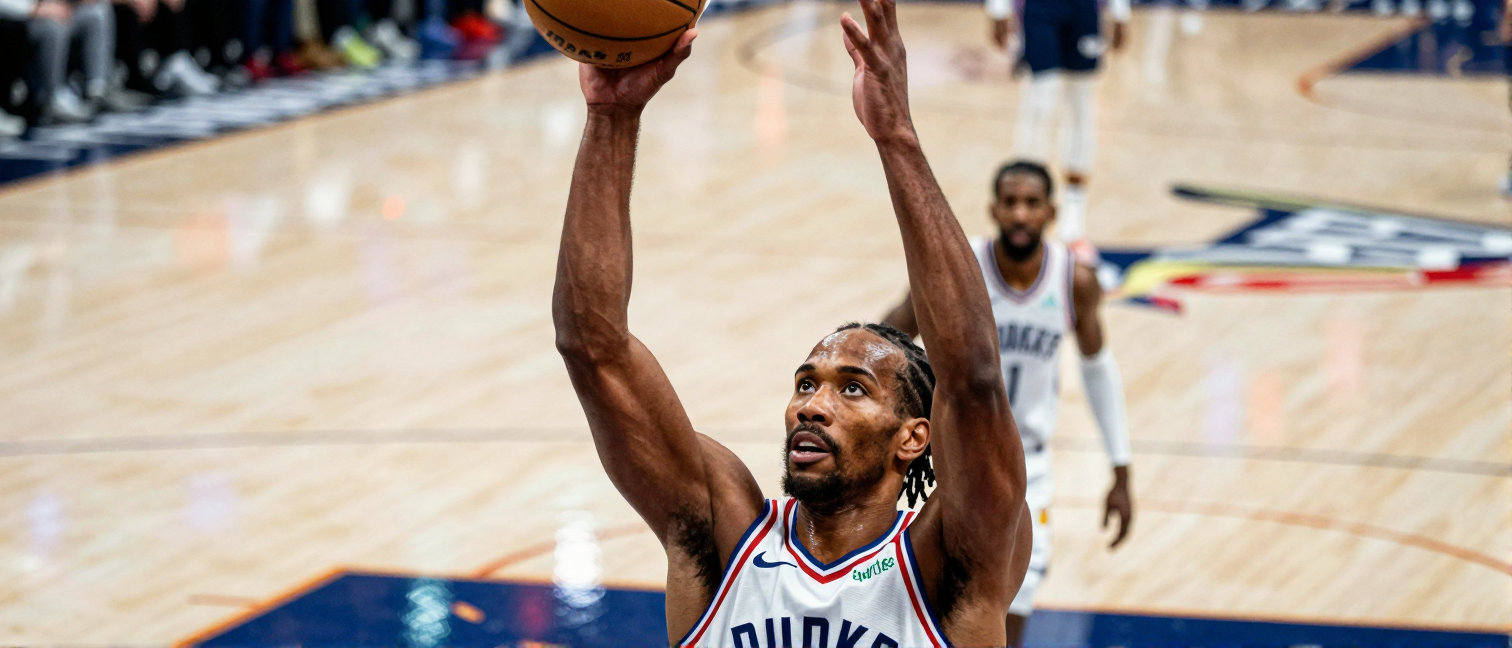
**Kawhi Leonard** re‑signed with the Toronto Raptors on July 7, 2026, instantly raising the franchise’s ceiling while leaving fans to wonder how his health and the new roster will shape the 2026‑27 campaign.
Leonard’s win‑share rate of .212 per 48 minutes dwarfs the .084 posted by his predecessor, Brandon Ingram. That jump translates to a massive boost in per‑minute productivity, especially when paired with Scottie Barnes’ .140 last season. The Raptors now sit with a front‑court that blurs traditional small‑forward, power‑forward, and centre lines, giving coach Darko Ružić flexibility to mix lineups.
The club announced a two‑way deal with second‑round pick Jaden Bradley, bringing the main roster to 13 players. With Leonard in the mix, a projected minute distribution might be:
- Barnes 34, Leonard 32, Barrett 30, Quickley 28, Murray‑Boyles 26, Poeltl 22, Walter 22, Shead 18, and a 28‑minute split among Battle, Anderson and Graves.
Without Leonard, those minutes shift to:
- Barnes 36, Barrett 33, Quickley 32, Murray‑Boyles 30, Walter 26, Poeltl 22, Shead 20, and a combined 49 minutes for Battle, Anderson and Graves.
The split reflects Leonard’s ability to take on both scoring and defensive duties, freeing Barnes for more play‑making time.
Salary‑cap constraints limit the Raptors to minimum‑salary and two‑way contracts unless another trade occurs. The front office is likely to wait until after the Las Vegas Summer League before pursuing free agents. Targets mentioned include shooters like Christian Koloko, veteran bigs such as Nick Richards or Tony Bradley, and even a surprise name like LeBron James, though that remains speculative.
Trendon Watford, a 6‑foot‑8 forward with a 7‑2‑inch wingspan and a 32.5 % career three‑point clip, is expected to sign, adding depth on the wing.
Leonard’s injury history is a lingering concern. If he stays healthy, the Raptors could realistically challenge the New York Knicks for the Eastern Conference’s top seed. A prolonged setback would force the team to lean heavily on Barnes and the emerging guard core, potentially limiting their playoff ceiling.
Toronto’s defensive identity should remain intact, with Leonard’s two‑way prowess complementing Poeltl’s rim protection. Offensively, the added scoring punch from Leonard and the projected contributions of the new wing players could push the Raptors into the top‑four seed range.
The season’s narrative will hinge on Leonard’s durability, the success of the two‑way contracts, and whether the front office can secure a veteran shooter before the trade deadline.
**Key takeaway:** Leonard’s return injects elite talent, but the Raptors must navigate roster construction and health risks to turn that potential into a deep playoff run.