 English
 Espanol
 Deutsch
 Francais
 Portugues
 Italiano
Luka Dončić’s influence grows as Lakers pivot toward Dallas star in roster overhaul
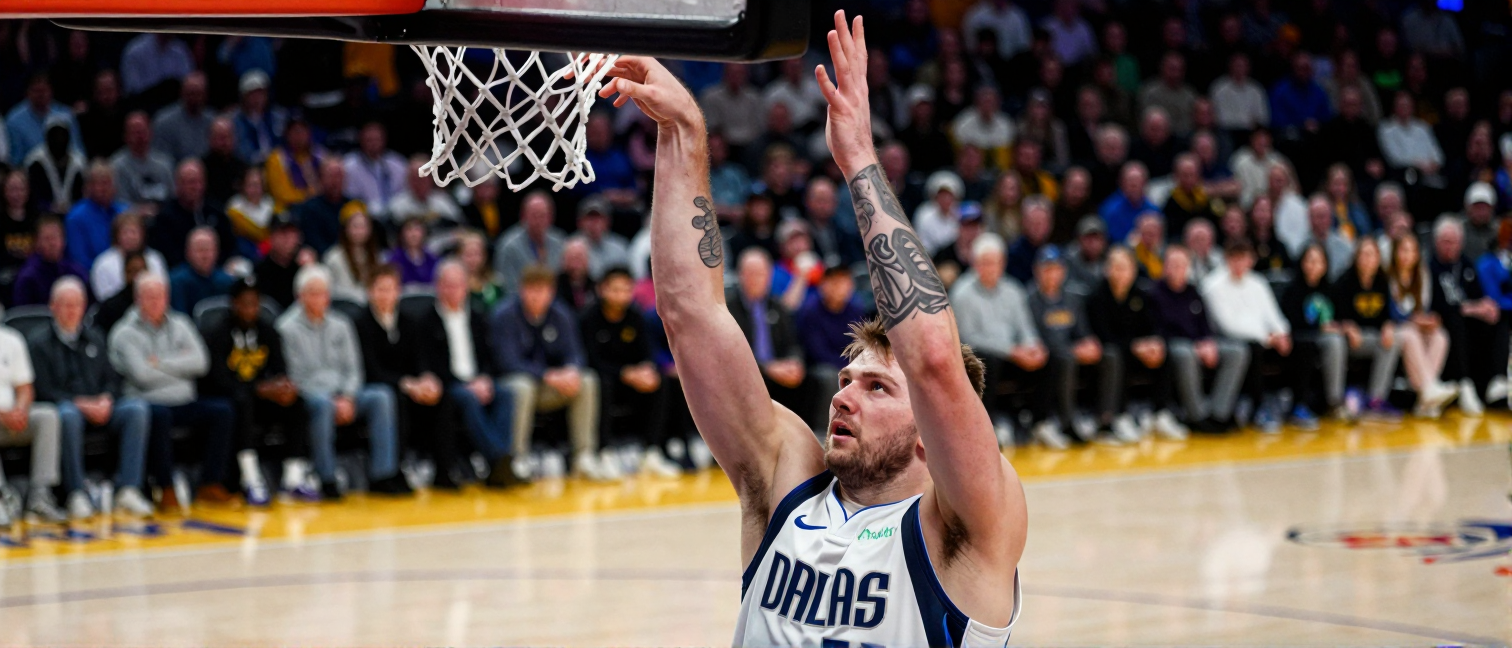
The Los Angeles Lakers have spent the summer remaking their roster around **Luka Dončić**, trading LeBron James and his 20,000-plus career points and moving on from their top two three-point shooters of 2025-26.
What happened?
On 20 July 2026, sources told *The Athletic* that the Lakers’ front office framed the rebuild as a deliberate pivot toward Dončić’s style of play. The team shipped out James, Luke Kennard, Rui Hachimura, Deandre Ayton and Jaxson Hayes, losing roughly 80 percent of their postseason minutes and points in the process. In return, Los Angeles added young wings like Quentin Grimes and Collin Sexton, players who can replicate the kind of off-dribble pressure Dončić exerts on defenses.
Why it matters for Luka Dončić
Dončić’s gravity already shapes how opponents defend the Lakers. His ability to draw multiple defenders and find open shooters was cited by observers at the team’s Las Vegas minicamp as the new foundation for spacing. **Austin Reaves** and the incoming wings are expected to feed off the same scramble-and-recovery Dončić triggers, even if the supporting cast lacks postseason experience.
The Lakers’ roster sits at 15 players now, with Walker Kessler and Kevon Looney at center and Sandro Mamukelashvili offering frontcourt depth. Still, sources say the front office isn’t done. They’re still monitoring the market for a rim-running big and a wing defender, with Matisse Thybulle’s name surfacing as a target despite his injury history.
What comes next?
The Lakers’ biggest remaining upside play is Jonathan Kuminga, a restricted free agent whose market has cooled since late June. **The Athletic** reported the Lakers’ interest in Kuminga months ago, but talks have stalled over contract terms and draft compensation. Cleveland remains the other team most often connected to the 24-year-old forward.
Even if Kuminga signs elsewhere, the Lakers’ summer moves show how far Dončić’s influence has spread. The team’s offensive identity now hinges on creating the same kind of off-ball chaos Dončić produces in Dallas, only with younger, less proven pieces.