 English
 Espanol
 Deutsch
 Francais
 Portugues
 Italiano
Mark Cavendish’s sprinting style inspired Tour stage winner Waerenskjold
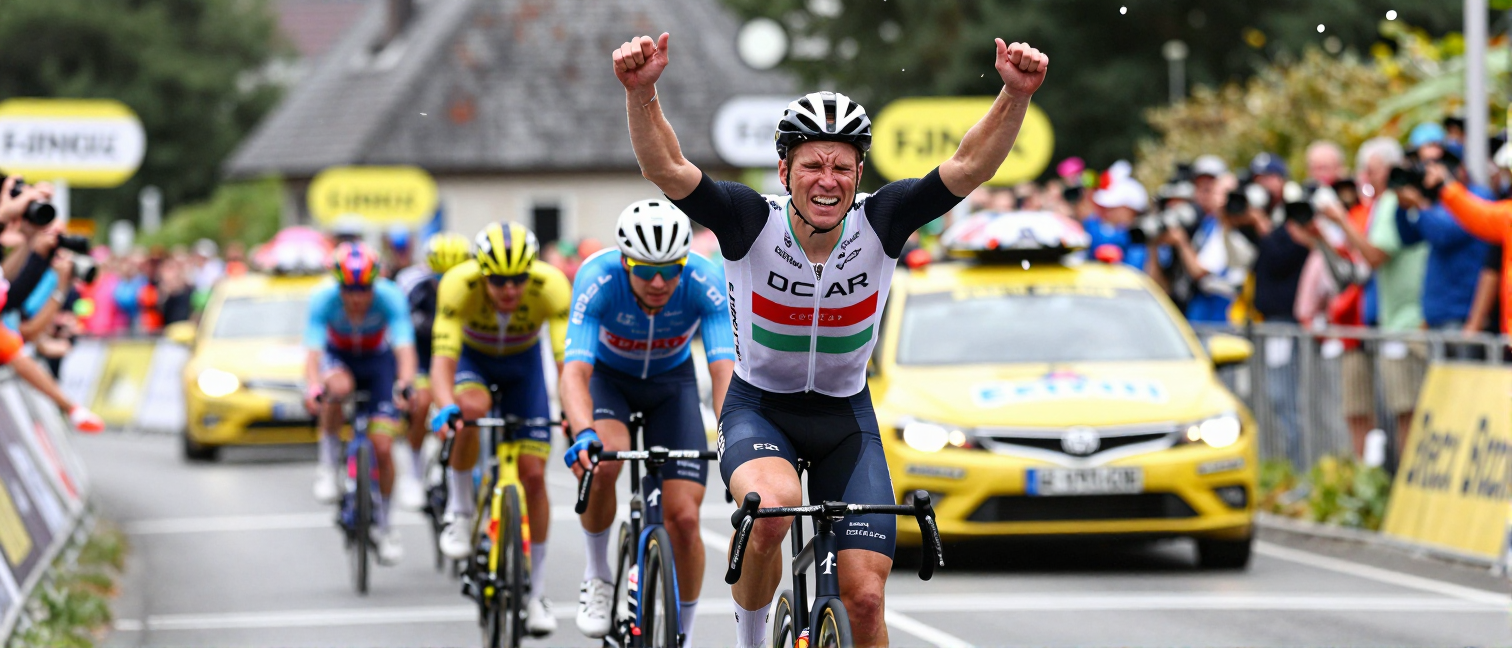
Mark Cavendish’s sprinting technique continues to shape the next generation of riders after Norwegian Soren Waerenskjold credited the Manx Missile as a key inspiration behind his stage 11 win at the 2025 Tour de France.
What happened?
On 18 June 2025, Waerenskjold outsprinted Olav Kooij and Jasper Philipsen to win the 161km stage from Vichy to Nevers. The 26-year-old Norwegian, who stands 1m95cm and weighs 92kg, revealed he modelled his sprinting style on Cavendish’s aggressive, low posture. Waerenskjold said he first adopted the technique at 14 after watching Cavendish’s races.
Why it matters for Mark Cavendish
Waerenskjold’s victory highlights Cavendish’s lasting impact on sprinting. The Manx Missile, known for his compact, powerful style, remains a reference point even for riders built differently. Waerenskjold’s team noted his diesel-engine momentum suits longer sprints, a contrast to Cavendish’s explosive finishes. The Norwegian’s win also marks the second straight year a Uno-X Mobility rider has taken stage 11.
How Waerenskjold pulled it off
Waerenskjold launched his sprint from deep, exploiting a rare failure in rivals’ lead-out trains. His Uno-X Mobility team had crashed out of contention earlier in the race, yet he rode through bandaged fingers from Tuesday’s stage. The Norwegian’s sporting director, Stig Kristiansen, called it a “crazy” result after the team’s yellow jersey hopes ended with Torstein Traeen’s concussion and broken ribs.
What comes next?
Waerenskjold’s teammates joked about a new jet ski if he won. The Norwegian hinted the gift might appear when he returns home. Uno-X Mobility now eyes making stage 11 a “tradition,” following Jonas Abrahamsen’s 2024 victory. Waerenskjold’s win underscores Cavendish’s influence beyond his own era, shaping sprinters who never raced against him.