Ryan Blaney Calls for NASCAR to Let Drivers Settle Penalties
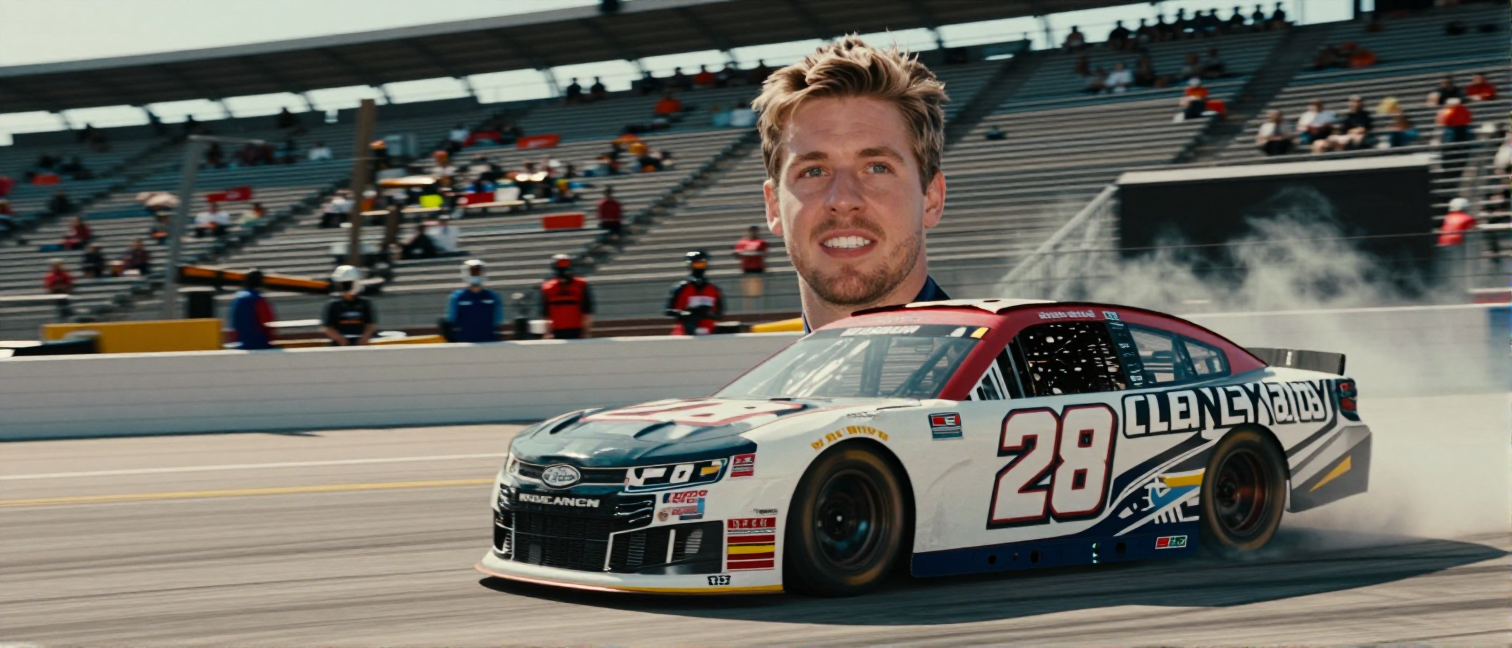
Ryan Blaney urged NASCAR to let competitors resolve disputes on their own after the controversial Chicagoland incident on the weekend of 6‑7 July 2026, saying the sport’s tradition of driver‑self‑policing should return.
During the Chicagoland race, Shane van Gisbergen clipped Austin Hill’s left rear on lap 47, sparking a heated exchange under caution. NASCAR chose not to penalize either driver, a decision that contrasted sharply with the $50,000 fine and 25‑point deduction handed to Ryan Preece at Texas for a deliberate wreck on the same season.
Blaney, speaking on SiriusXM NASCAR Radio, explained that NASCAR’s judgment often hinges on a driver’s intent and public admission. “If a driver says he’s going to do it and does it, that’s a clear case,” he said. He added that only obvious infractions-like hooking another car-should trigger fines, while the rest belong to the drivers’ own code of conduct.
According to Blaney, the key distinction lies in how the drivers addressed the incidents. “Shane didn’t really admit guilt; he said it was a mistake. Ryan hinted at intent, which is why NASCAR acted,” he noted. That nuance, Blaney argued, explains why the Texas penalty felt harsher than the Chicagoland outcome.
Blaney finished seventh at Chicagoland, keeping him third in the regular‑season standings, 113 points behind leader Denny Hamlin. His comments suggest he’s not just focused on his own performance but also on shaping the sport’s disciplinary culture as the playoffs approach.
The governing body faces a choice: tighten its rule‑book to address every on‑track dispute, or lean back into the historic practice of letting drivers sort things out, perhaps with clearer guidelines on what constitutes a punishable offense. Blaney’s remarks add pressure for a transparent, consistent approach as the season heads into its final stretch.