Will Ospreay’s NJPW classic with Ricochet still sparks debate a decade later
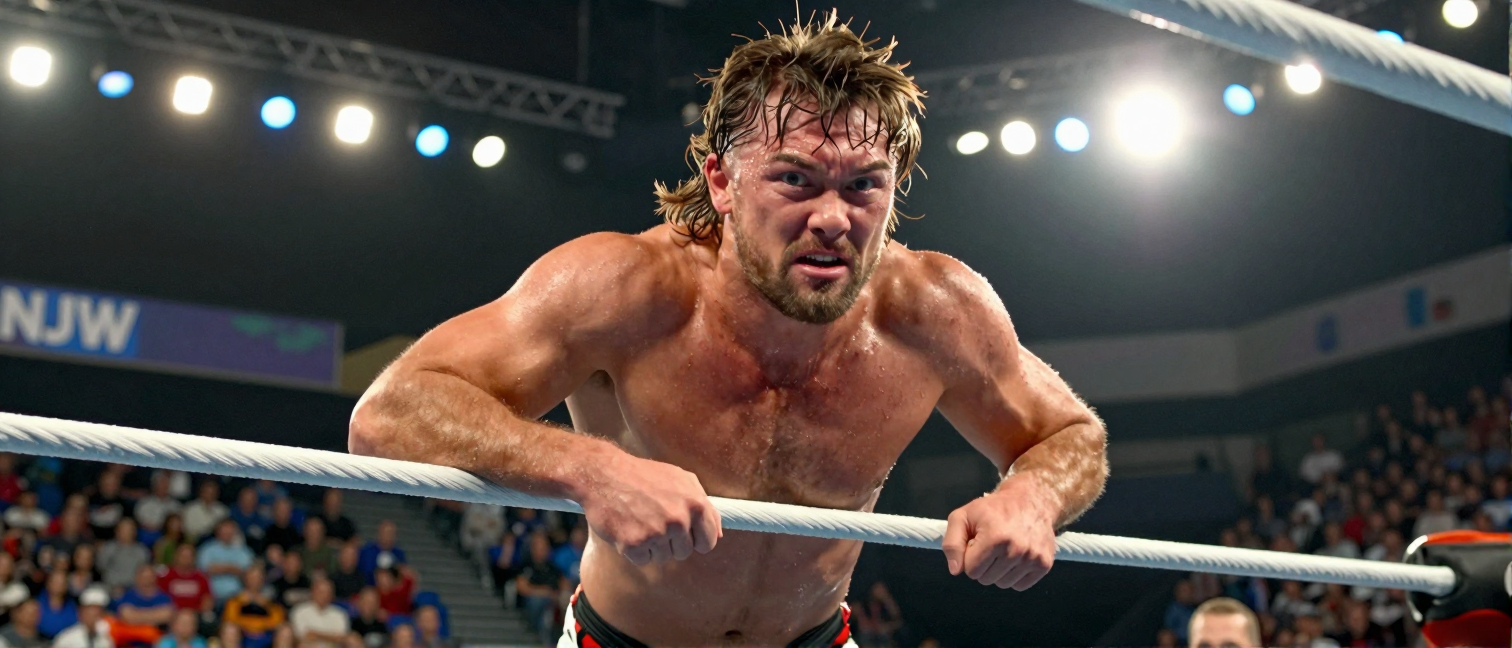
A decade after their Best of the Super Juniors clash, **Will Ospreay** and Ricochet’s match from NJPW’s 2016 tournament remains one of the most divisive bouts in modern wrestling history. The bout, held on 18 June 2016 in Tokyo, is still cited by some as a groundbreaking innovation and by others as a step too far from tradition. And now Ricochet has shared fresh context on how the fallout from that match ricocheted through the locker rooms.
The 18 June 2016 showdown in Tokyo’s Korakuen Hall pitted Ricochet against Ospreay in a high-flying sprint that clocked in at just over 12 minutes. The match fused Ricochet’s dizzying sequences with Ospreay’s daredevil flips and near-fall comebacks, creating a spectacle that split opinion. Some fans hailed it as a masterclass in athleticism; others argued it strayed from wrestling’s storytelling roots. Either way, it became a touchstone for debates about where the sport was headed.
Ricochet told Chris Jericho on *Talk is Jericho* that the War Raiders-now known as the Viking Raiders-routinely ribbed him and Ospreay about the match’s legacy. “Anytime they saw a video of kids trying some crazy high spot, they’d say, ‘You and Will ruined wrestling. This is all your fault,’” Ricochet recalled. The joke stuck because both Ricochet and Ospreay moved from New Japan’s junior-heavy division to WWE’s NXT together in 2016, then landed on Raw and SmackDown around the same time. The Viking Raiders shared that journey, making the ribbing feel personal.
For Ospreay, the match sits at the heart of his reputation as a risk-taker willing to push boundaries. It also frames how some peers view his influence-both as an innovator and as a lightning rod. The fact that Ricochet’s anecdote still surfaces today shows how that single match still shapes locker-room lore and fan conversations long after the final bell rang.
Ricochet’s revelation adds a human layer to the technical and aesthetic arguments that have dogged the match for ten years. It turns a technical discussion into a story about camaraderie, humor, and the unintended consequences of breaking new ground in a traditional sport.